The aim of cyclical maintenance is to protect the building, reduce the need for major repairs and ensure safety standards are maintained.
What is planned maintenance?
Planned maintenance involves the replacement or renewal of building components that have reached the end of their expected lifespan or no longer meet current standards. These works are usually larger projects and are based on regular stock condition surveys which assess the condition of our homes and communal areas.
Examples of planned maintenance include:
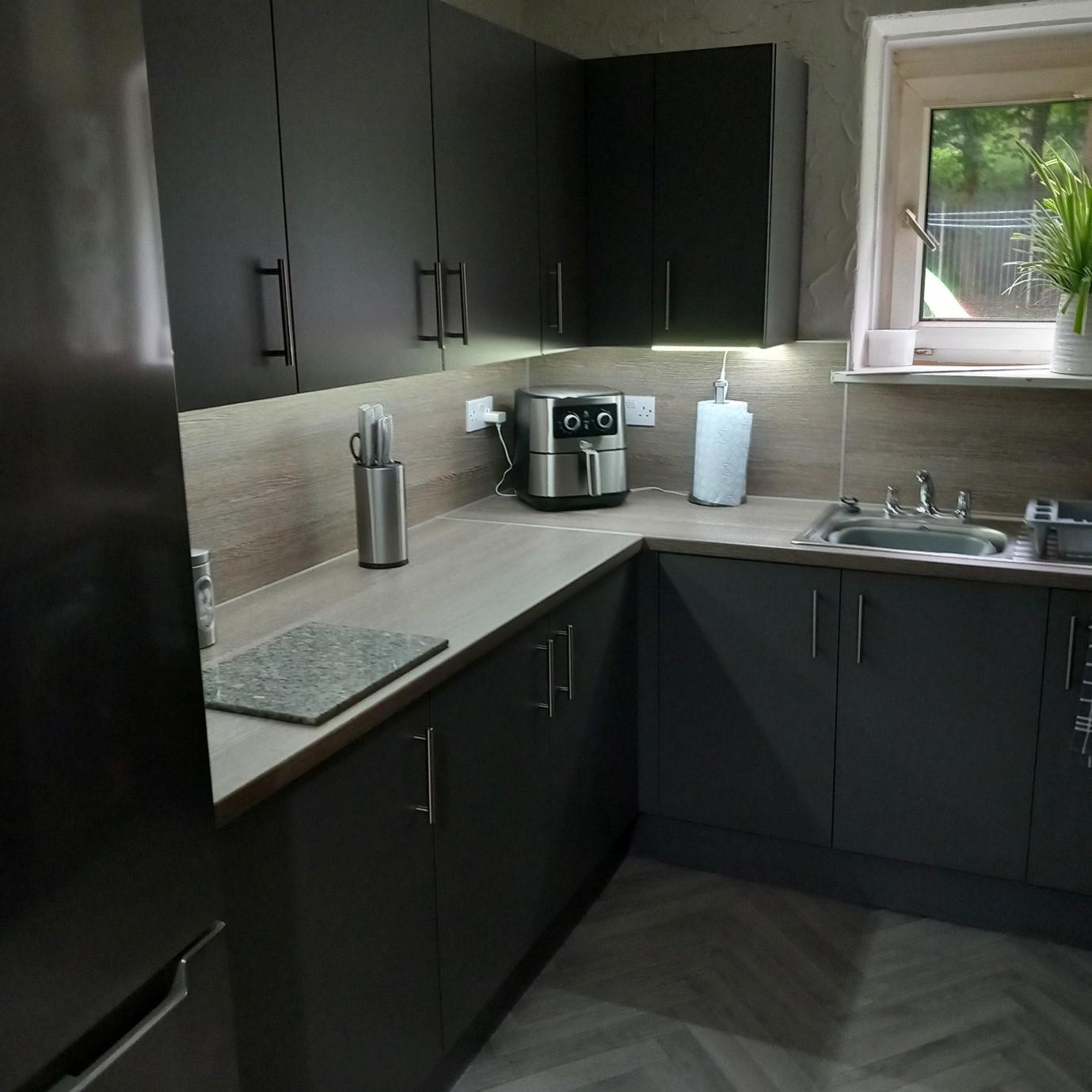
- Replacement kitchens and bathrooms.
- New windows and doors.
- Roof replacement or major roof works.
- Replacement heating systems.
- External wall insulation.
- Common close door replacement.
- Rewiring works.
- Renewal of communal entrance systems.
- Major external repairs.
The aim of planned maintenance is to improve the quality, safety and energy efficiency of our homes while reducing future repair costs.
What is the difference?
In simple terms:
- Cyclical maintenance helps keep existing components in good condition through regular servicing, inspection and upkeep.
- Planned maintenance involves replacing components when they become old, worn out or no longer suitable.
For example, repainting communal areas every few years would be cyclical maintenance, whereas replacing all the windows in a block would be planned maintenance.
Keeping you informed
Where cyclical or planned maintenance works are due to take place at your home or within your building, we will provide residents with information about the proposed works, timescales and any access requirements. By investing in our homes through both cyclical and planned maintenance programmes, we aim to provide safe, high-quality homes that meet the needs of our customers now and in the future

 Listen to our site